
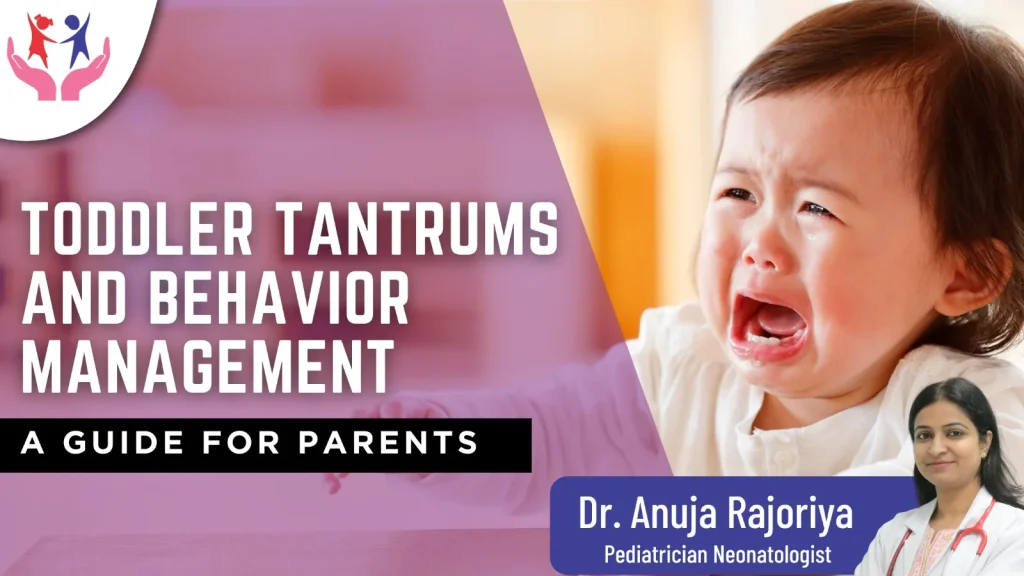
Welcoming the toddler years brings excitement, milestones, and yes—tantrums. Between ages 1 and 3, children experience explosive emotional outbursts as they navigate big feelings with limited words and self-control. According to the American Academy of Pediatrics (AAP), tantrums are a normal part of development, peaking around age 2 and tapering off as language skills improve. This guide offers practical, evidence-based strategies to manage tantrums and foster positive behavior.
Why Do Toddlers Have Tantrums?
Toddlers’ brains are wired for independence, but they lack the tools to handle frustration. Common triggers include:
- Hunger, fatigue, or overstimulation (often called “HALT”: Hungry, Angry, Lonely, Tired).
- Desire for autonomy—wanting to do things themselves but facing limits.
- Difficulty expressing needs verbally.
- Testing boundaries as they learn cause and effect.
The AAP notes that tantrums are not manipulation but a sign of emotional overload. They usually last 2–15 minutes and decrease after age 4 as kids gain better coping skills.
Preventing Tantrums Before They Start
Prevention is key. Build a foundation that reduces outbursts:
- Establish routines: Predictable schedules for meals, naps, and play provide security. Visual charts help toddlers understand the day.
- Offer choices: Empower your child with small decisions, like “Do you want apple slices or banana?” This satisfies their need for control.
- Ensure basics are met: Regular snacks, sufficient sleep (11–14 hours daily), and downtime prevent meltdowns.
- Prepare for transitions: Give warnings like “In five minutes, it’s time to clean up toys.”
Handling a Tantrum in the Moment
When a tantrum hits, stay calm—your composure models emotional regulation.
- Stay safe and nearby: Ensure your child is in a safe space. Avoid reasoning during the peak; they’re not receptive.
- Ignore attention-seeking behavior: If safe, don’t engage dramatically. Attention can reinforce tantrums.
- Validate feelings: Once calmer, say “I see you’re mad because you wanted the red cup. It’s okay to feel upset.”
- Comfort and connect: Offer a hug or hold if they accept it. This teaches that big emotions are manageable with support.
Never give in to demands mid-tantrum, as it teaches that outbursts work. Instead, redirect afterward.
Positive Discipline Techniques
Shift from punishment to teaching with these AAP-recommended approaches:
- Positive reinforcement: Praise specific good behaviors often—”I love how you shared your toy!” Use sticker charts for motivation.
- Redirection: For younger toddlers, distract with a new activity.
- Natural/logical consequences: If they throw food, meal ends. Keep consequences immediate and related.
- Time-outs: For ages 2+, use 1 minute per year of age. Explain calmly: “You hit, so time-out until calm.”
Avoid physical punishment; research shows it increases aggression and doesn’t teach self-control.
Long-Term Behavior Management
Foster emotional intelligence:
- Teach emotion words: “You seem frustrated. Let’s take deep breaths.”
- Model calm responses to stress.
- Encourage play: Independent play builds resilience.
Parent self-care matters—tantrums test patience. Seek support if needed.
When to Seek Help
Most tantrums are normal, but consult a pediatrician if:
- They last over 25 minutes or occur multiple times daily.
- Involve self-harm or extreme aggression.
- Persist beyond age 4–5.
- Accompany developmental delays.
You’re not alone—these years pass quickly. With consistency and empathy, you’ll guide your toddler toward better self-regulation.