
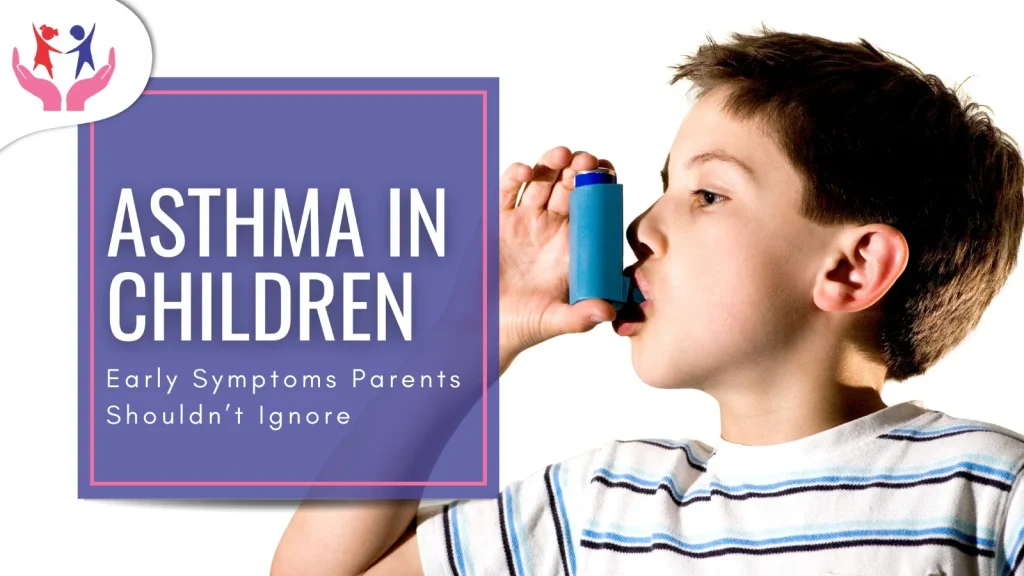
Asthma is one of the most common chronic respiratory conditions affecting children worldwide. In young kids, it often starts subtly, and many parents mistake the early signs for a common cold, seasonal allergies, or just “growing pains.” However, recognizing these symptoms early can make a significant difference in managing the condition effectively and preventing severe flare-ups.
At Chubby Cheeks Kids Clinic & Vaccination Center, we understand the unique health needs of children. As a leading provider of Kid Specialties in Noida Extension, our experienced pediatric team helps parents navigate respiratory concerns like asthma with compassionate, child-friendly care.
Understanding Asthma in Children
Asthma causes the airways in the lungs to become inflamed and narrowed, making it difficult for air to flow in and out. In children, this can be triggered by colds, exercise, allergens (such as dust mites or pollen), cold air, or even strong emotions. While asthma cannot be cured, it can be well-controlled with proper medical guidance, allowing kids to lead active, healthy lives.
Most symptoms appear before the age of five, but they can be tricky to identify in toddlers and preschoolers because young children cannot always express what they feel. Early intervention is key, especially since untreated or poorly managed asthma can affect a child’s sleep, playtime, school performance, and overall growth.
Early Symptoms Parents Should Watch For
Parents should pay close attention to recurring patterns rather than isolated incidents. Here are the key early warning signs that shouldn’t be ignored:
1. Persistent Coughing
A dry, nagging cough—especially at night or in the early morning—is often the first and most common sign of asthma in children. It may worsen after physical activity, during play, or following a viral infection. While occasional coughing is normal, frequent episodes that linger for weeks or disrupt sleep deserve attention.
2. Wheezing or Whistling Sound
You might hear a high-pitched whistling or squeaking sound, particularly when your child breathes out. This happens because the airways are narrowed. Not every child with asthma wheezes, but when it occurs repeatedly (even without a cold), it is a strong indicator.
3. Shortness of Breath or Rapid Breathing
Children may struggle to catch their breath during normal activities like running, climbing stairs, or even talking. They might breathe faster than usual or complain of tightness in the chest. In younger kids, you may notice the skin between the ribs or at the base of the neck pulling in with each breath.
4. Reduced Energy and Fatigue During Play
If your child tires quickly, cannot keep up with friends during playtime, or seems unusually fatigued after mild exercise, it could be due to the extra effort required to breathe. This is sometimes overlooked as laziness or a temporary phase.
5. Frequent Respiratory Infections or Delayed Recovery
Kids with undiagnosed asthma often experience more chest colds, bronchitis-like symptoms, or take longer than usual to recover from common viral illnesses. Repeated episodes of coughing or wheezing with every cold may point toward asthma.
6. Trouble Sleeping and Irritability
Coughing, wheezing, or breathlessness at night can disturb sleep, leading to daytime crankiness, dark circles under the eyes, or behavioral changes. Poor sleep due to breathing difficulties is a red flag that parents should not dismiss.
Other subtle signs include chest congestion, reluctance to participate in sports, or complaints of chest discomfort.
Why Early Detection Matters
Ignoring these symptoms can allow asthma to progress, leading to more severe attacks that may require emergency care. On the other hand, timely consultation with a Pediatric Doctor in Noida Extension enables accurate diagnosis through medical history, physical examination, and sometimes simple lung function tests (adapted for children). Early management helps reduce school absences, improves quality of life, and prevents long-term complications.
Triggers vary from child to child, so identifying them (allergens, smoke, pollution, etc.) is an important part of care.
When to Consult a Pediatrician
If your child shows any of the above symptoms on a recurring basis—especially if they interfere with daily activities or sleep—schedule a visit without delay. Even if symptoms seem mild, a professional evaluation is essential because asthma can mimic other conditions.
At Chubby Cheeks Kids Clinic & Vaccination Center, Dr. Anuja Rajoriya and our team provide comprehensive pediatric care tailored to each child’s needs. We focus on accurate diagnosis, personalized management plans, and educating parents on home care and prevention strategies.
Conclusion
Asthma in children is manageable when caught early. By staying alert to persistent coughing, wheezing, shortness of breath, and other subtle signs, parents can ensure their little ones receive the timely support they need to thrive. Don’t wait for symptoms to worsen—trust your instincts and seek expert guidance.
If you’re concerned about your child’s breathing or respiratory health, visit Chubby Cheeks Kids Clinic & Vaccination Center for specialized care. We are here to partner with you for your child’s healthier tomorrow.
Book an appointment with Dr. Anuja Rajoriya today and take the first step toward better breathing and happier days for your child.